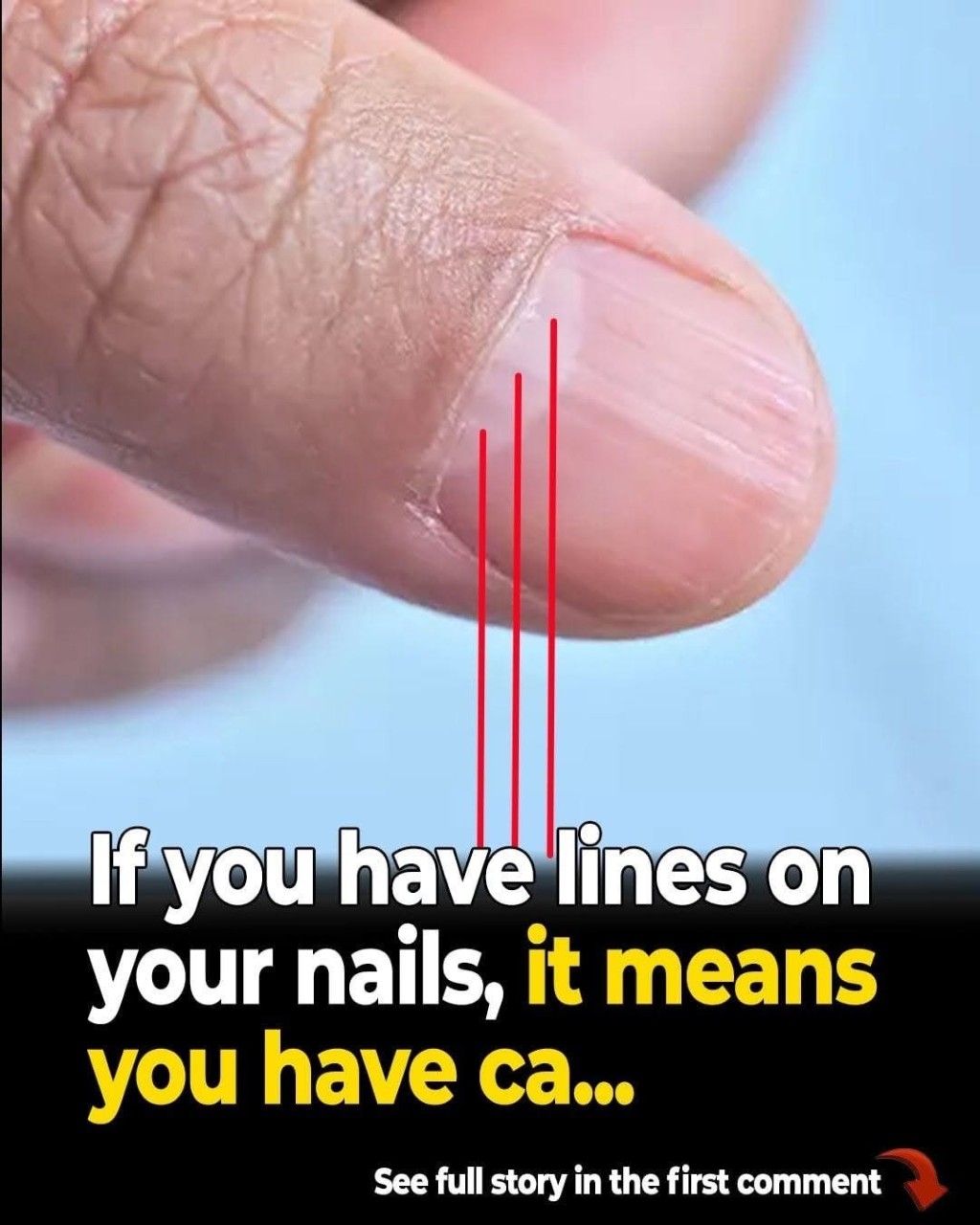
Nail Ridges Explained: What Those Subtle Lines Actually Mean for Your Health
Step 3 — Evaluate Texture, Thickness, and Brittleness
-
What to do: Feel the surface of your nails to assess whether ridges are accompanied by thinning, splitting, or spoon-like curvature.
-
How to do it: Run your thumb across the nail plate surface. Take note of whether the nail is unusually brittle, crumbling at the edge, or curving upward like a spoon (koilonychia).
-
Short practical explanation: Pronounced ridging coupled with brittle, thin, or scooped-out nails often points toward nutrient deficiencies—such as low iron, zinc, or protein absorption—or chronic thyroid imbalances that impair keratin production.
Tips for Better Results
-
Tip 1: Keep nails consistently moisturized. Apply thick cuticle oil, jojoba oil, or petroleum jelly to the nail matrix daily to reduce dryness-related ridging.
-
Tip 2: Choose a balanced diet rich in micronutrients. Prioritize foods containing biotin, zinc, iron, and lean protein to support robust keratin production.
-
Tip 3: Avoid harsh mechanical buffing. Aggressively buffing away vertical ridges thins out the nail plate and leaves it fragile and prone to cracking.
-
Tip 4: Try wearing protective gloves. Shield your hands with rubber gloves when washing dishes or handling harsh cleaning chemicals to prevent moisture loss.
-
Tip 5: For a better assessment, inspect bare nails regularly. Check your nails without lacquer, gel, or acrylic overlays at least once every few months.
-
Tip 6: Avoid picking or cutting cuticles. The cuticle seals the nail matrix from fungal and bacterial infections; pushing it back gently is safer than trimming.
FAQ
What is the best way to tell if vertical ridges are normal?
Uniform, faint vertical ridges appearing equally across most fingernails as you grow older are typically a normal, harmless sign of aging.
How often should I examine my nails for health changes?
Examine your unpolished nails once a month during your regular grooming routine to track any new textures, lines, or color changes.
Can I do this assessment at home?
Yes, visual self-checks are easy to perform at home, though a certified dermatologist or primary care provider should confirm any concerning findings.
What should I avoid when I notice deep ridges?
Avoid using aggressive acetone removers or filing down the ridges, which further weakens an already compromised nail plate.
Conclusion
Your fingernails provide valuable clues about overall hydration, nutritional status, and physical wellness. While vertical lines are usually harmless markers of natural aging, sudden horizontal grooves, spooning, or dark pigmented bands deserve professional medical attention. Take a moment today to inspect your hands and give your nails the nourishment they need. To learn more about supporting your body from the inside out, explore our guide on Essential Vitamins and Nutrients for Strong Hair, Skin, and Nails.