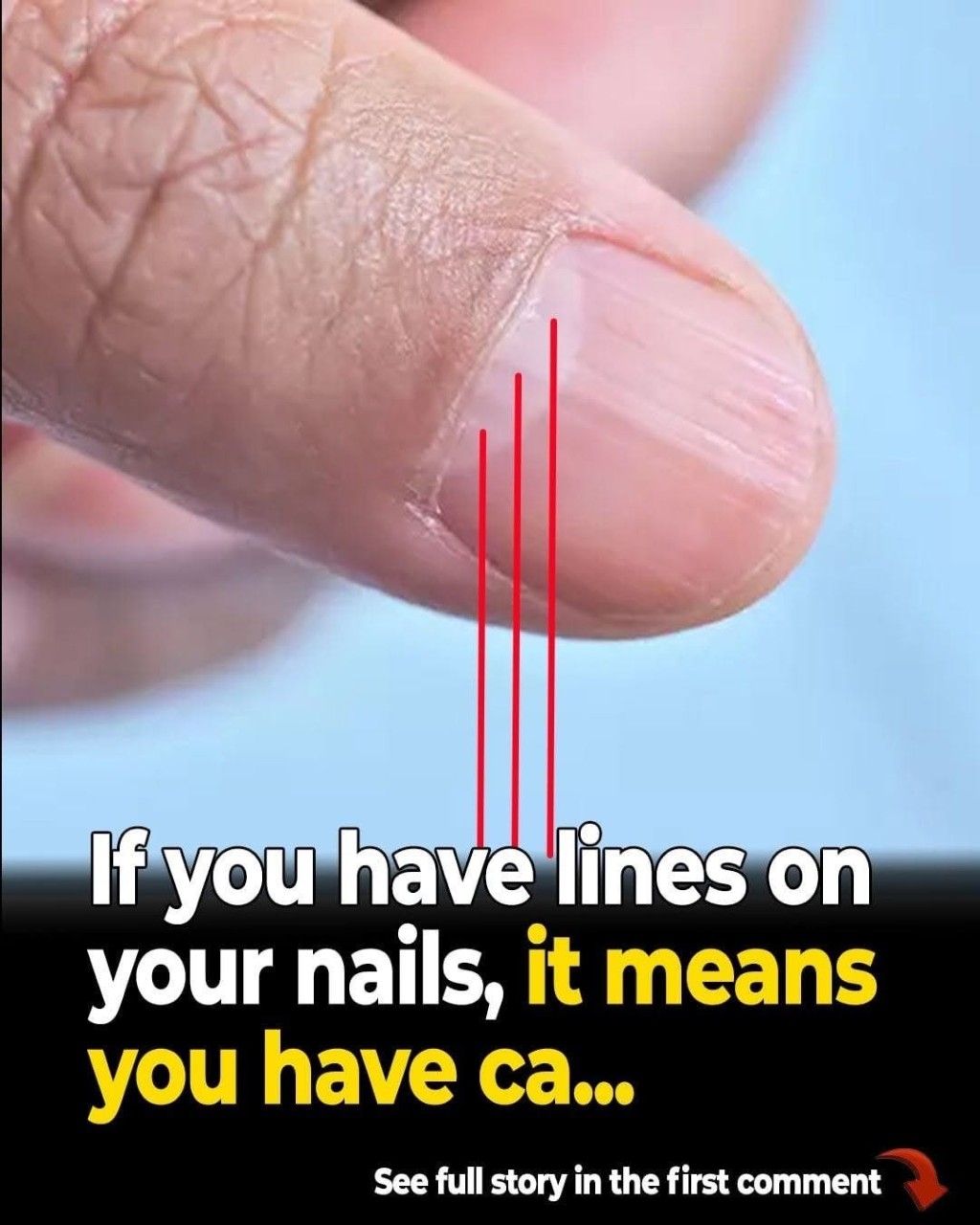
Nail Ridges Explained: What Those Subtle Lines Actually Mean for Your Health
Nail Ridges Explained: What Those Subtle Lines Actually Mean for Your Health
Many people notice vertical or horizontal grooves developing across their fingernails and worry they signal a hidden, life-threatening condition. While online rumors often sensationalize nail changes, dermatologists use fingernails as a window into everyday systemic health, circulation, and nutritional balance. In this guide, you will learn how to identify different nail patterns, separate harmless aging from true medical warning signs, and understand when simple nail changes warrant a closer look from your doctor.
Step 1 — Distinguish Between Vertical and Horizontal Lines
-
What to do: Inspect your bare nail plate under bright, direct light to determine whether the lines run vertically or horizontally.
-
How to do it: Clean off any polish, place your fingers under natural or bright task lighting, and look closely at the direction of the ridges. Vertical lines run from the cuticle straight up to the tip, while horizontal lines (often called Beau’s lines) run side-to-side across the width of the nail plate.
-
Short practical explanation: Vertical ridges are extremely common and act much like wrinkles for your nails—often reflecting natural cell turnover slowdown with age. Horizontal depressions, however, indicate that nail growth was temporarily halted by systemic stress, high fever, or illness.
Step 2 — Check for Color Changes and Discoloration
-
What to do: Examine the nail bed beneath and around the ridges for color shifts, dark bands, or unusual paleness.
-
How to do it: Lightly press the nail bed to check for capillary refill, then observe whether there are dark brown or black pigmented vertical bands (melanonychia), white horizontal bands (Muehrcke’s lines), or a washed-out, pale appearance.
-
Common mistake to avoid: Assuming all dark or discolored streaks are harmless bruises. A new, solitary dark vertical streak appearing on a single nail—especially expanding into the cuticle—should always be checked by a dermatologist to rule out subungual melanoma.
“Read the Next Page for More Details”
Pages: 1 2