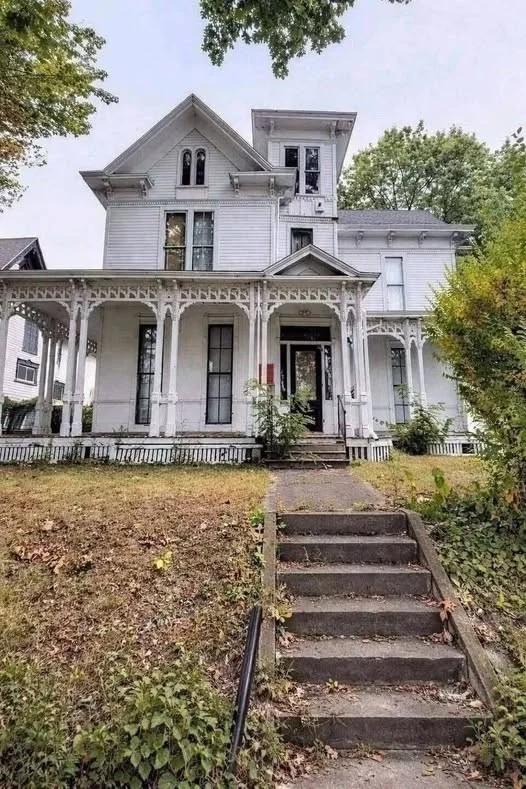
Is a $50,000 Victorian Fixer-Upper a Bargain? How to Evaluate a Cheap Old House
Is a $50,000 Victorian Fixer-Upper a Bargain? How to Evaluate a Cheap Old House
Introduction
A grand Victorian with a gabled roof, a lacy wraparound porch, and a small tower for under $50,000 sounds like a dream. But the purchase price is often the smallest part of the cost. This guide shows how to judge whether an old house is a genuine bargain or a money pit, before you sign anything.
Step 1: Inspect the Structure First
What to do: Check the parts of the house that are most expensive to fix: foundation, roof, and framing.
How to do it: Walk the exterior and look for sagging rooflines, cracks in the foundation, leaning porch posts, and gaps between the siding and trim. Inside, check for sloping floors, sticking doors, and ceiling stains. In a house like the one pictured, pay special attention to the porch, the tower, and the cornice details, since decorative woodwork is costly to repair.
Common mistake to avoid: Falling for the charm and skipping a professional inspection. Hire an inspector experienced with historic homes.
Step 2: Check the Systems
What to do: Assess the wiring, plumbing, heating, and moisture control.
How to do it: Older homes may have knob-and-tube wiring, galvanized or lead pipes, and no insulation. Ask an electrician and plumber for rough estimates. Look for signs of water damage, mold, and wood rot, especially around the porch, windows, and basement.
Common mistake to avoid: Ignoring hazardous materials. Homes of this age often contain lead paint and sometimes asbestos, which require careful, certified handling.
Step 3: Build a Realistic Budget
What to do: Estimate the full cost of making the house livable.
How to do it: Add the purchase price, repairs, closing costs, insurance, and property taxes. Then add a contingency of 20 to 30 percent, because old houses nearly always hide surprises. Get at least three contractor quotes. If the final total is far above what comparable renovated homes sell for, it isn’t a bargain.
Step 4: Research Rules and Incentives
What to do: Learn what the local government allows and offers.
How to do it: Check whether the house sits in a historic district, which may limit exterior changes but can unlock tax credits or grants. Confirm zoning, permit requirements, and any code violations or liens on the property.
Tips for Better Results
- Tip 1: Find out why the house is so cheap. Condition, location, or legal problems are usually the reason.
- Tip 2: Visit at different times of day and talk to neighbors.
- Tip 3: Prioritize repairs: roof and water first, then systems, then cosmetics.
- Tip 4: Photograph and document original features before any work begins.
- Tip 5: Check whether insurers will cover a vacant or older home before you buy.
- Tip 6: Learn which repairs you can do yourself and which need licensed professionals.
- Tip 7: Keep original details like windows, trim, and porch woodwork when possible, since they add value.
- Tip 8: Be ready for a multi-year project and keep a financial cushion.